

Safety Glass: Protection, Durability, and Modern Applications
Glass is widely used in homes and commercial buildings for its transparency, elegance, and ability to bring natural light into a space. However, standard glass can pose safety risks if it breaks. To address this concern, manufacturers developed safety glass, a specially engineered material designed to reduce the risk of injury when broken.
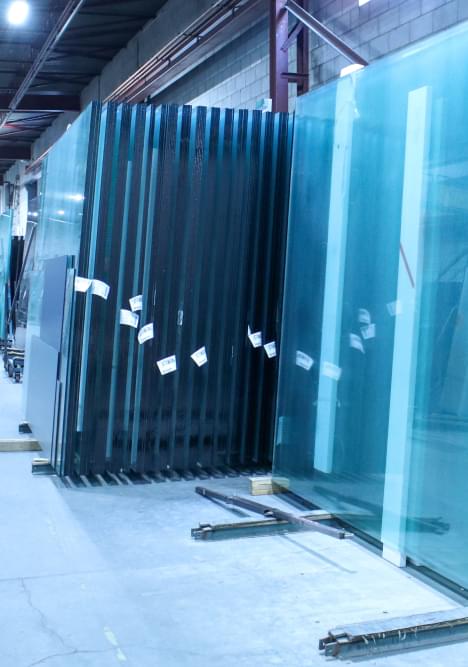
Today, safety glass is a standard feature in many residential, commercial, and architectural applications. All Team Glass and Mirror Ltd. in Woodbridge, Ontario, provides professionally manufactured and installed safety glass solutions for projects where durability and protection are essential.
What Is Safety Glass?
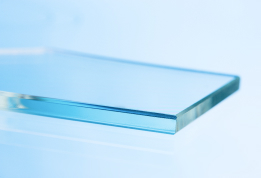
Safety glass refers to glass that has been treated or manufactured in a way that makes it less likely to cause injury when it breaks. Unlike ordinary glass, which shatters into sharp, dangerous shards, safety glass is designed to either remain intact or break into small, less harmful fragments.
There are two primary types of safety glass commonly used in construction and interior design: tempered glass and laminated glass. Each type is engineered to improve safety while maintaining the transparency and functionality people expect from glass installations.
Because of these characteristics, safety glass is required by building codes in many areas where breakage could pose a risk to occupants.
Types of Safety Glass
Different applications require different forms of safety glass, depending on the level of protection and structural strength needed.
Tempered glass
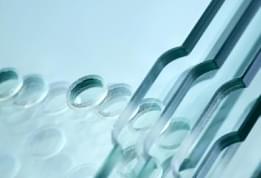
Tempered glass is heat-treated to increase its strength compared to standard glass. During the tempering process, the glass is heated and then rapidly cooled, creating internal stresses that make the glass significantly stronger.
When tempered glass breaks, it shatters into small, blunt pieces rather than sharp shards, reducing the risk of injury.
Laminated glass
Laminated glass is made by bonding two or more layers of glass with a durable plastic interlayer. If the glass breaks, the fragments remain attached to the interlayer instead of scattering.
This property makes laminated glass particularly useful for applications where maintaining a barrier is important.
Both tempered and laminated glass are widely used in modern construction because they provide safety without compromising visibility or design flexibility.
Common Applications of Safety Glass
Safety glass is used in a wide range of residential and commercial settings.
Shower enclosures and bathroom glass
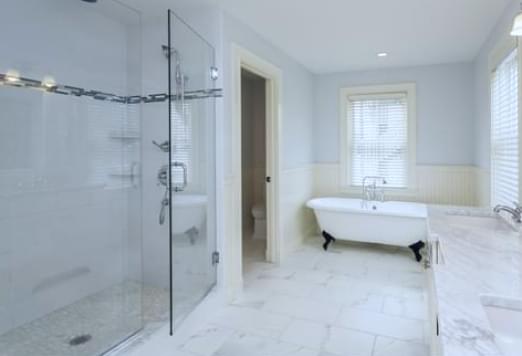
Bathrooms frequently use tempered safety glass because it provides strength and protection in wet environments. Shower doors and enclosures benefit from the durability and easy maintenance of tempered glass panels.
Glass doors and storefronts
Commercial entrances often rely on safety glass to withstand frequent use and potential impacts. Laminated glass is especially useful in storefront systems where both visibility and security are important.
Windows and architectural panels
Large glass panels used in modern building designs often incorporate laminated or tempered safety glass to meet safety standards while preserving the building’s aesthetic.
Railings and partitions
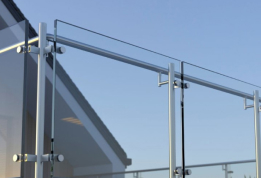
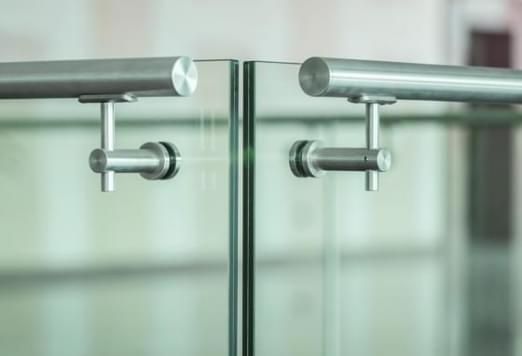
Glass railings and interior partitions use safety glass to provide structural strength while maintaining an open, modern look.
Benefits of Installing Safety Glass
Safety glass provides several advantages that make it a preferred choice for many building applications.
Improved protection
The main benefit of safety glass is its ability to reduce injury risk. Whether through shatter-resistant construction or safer break patterns, safety glass significantly improves occupant safety.
Increased durability
Tempered glass is several times stronger than regular glass, making it more resistant to impact and thermal stress.
Enhanced security
Laminated safety glass can help prevent forced entry because the interlayer holds broken glass in place. This makes it more difficult for intruders to break through.
Versatile design
Safety glass is available in various thicknesses, finishes, and custom sizes, allowing architects and homeowners to incorporate it into a wide range of designs.
Choosing the Right Safety Glass
Selecting the appropriate safety glass depends on the specific application and performance requirements. Factors such as building codes, structural demands, and design preferences should all be considered when choosing between tempered and laminated glass.
Professional glass suppliers and installers can help determine the best solution for each project. With the right materials and expert installation, safety glass can enhance both the appearance and safety of residential and commercial spaces.
As modern architecture continues to embrace glass as a design element, safety glass remains an essential material combining transparency with reliable protection. All Team Glass & Mirror Ltd. in Woodbridge, Ontario, is a one-stop destination for your glass manufacturing needs. Call 905-851-7711 to place an order today.
FAQs
What is the difference between tempered glass and laminated glass?
Tempered glass is heat-treated to make it several times stronger than standard glass and breaks into small, blunt fragments if shattered. Laminated glass consists of multiple layers bonded with a plastic interlayer that holds the glass together when broken, helping maintain a protective barrier.
Where is safety glass commonly used?
Safety glass is widely used in shower enclosures, glass doors, storefronts, railings, partitions, and large architectural windows. These applications benefit from improved durability, reduced injury risk, and better structural performance.
Where can I find reliable glass manufacturing and laser cutting services in Ontario?
Businesses and contractors looking for precision glass manufacturing and laser cutting services in Toronto, the GTA, and across Ontario can rely on All Team Glass & Mirror Ltd. in Woodbridge, Ontario, known for quality craftsmanship and professional installation.
 Previous
 Next
Next